The Quiet Intelligence of IoT: Building Systems That Actually Matter
If you strip away the buzzwords, the Internet of Things (IoT) is not about connecting “things” to the internet. It’s about making physical systems observable, measurable, and ultimately controllable in real time.
That shift—from blind operation to data-driven decisions—is where the real value lies.
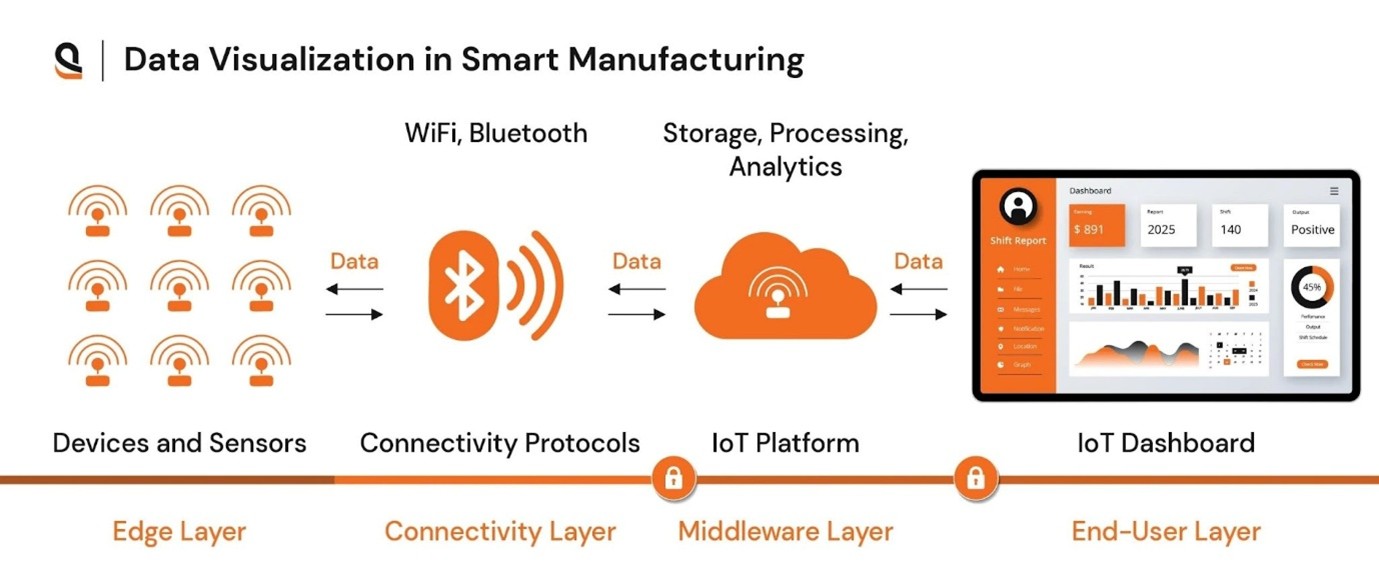
From Sensors to Decisions: What IoT Really Means
A lot of discussions around IoT stop at devices and dashboards. But in practice, a functional IoT system is a pipeline:
- Device Layer: Sensors capturing real-world signals (temperature, vibration, pressure)
- Edge Layer: Gateways processing and filtering data locally
- Connectivity Layer: Protocols like MQTT, HTTP, Modbus enabling communication
- Cloud Layer: Storage, analytics, and visualization
But here’s the critical point:
Data alone is not value. Decisions are.
A sensor sending readings every second doesn’t help unless:
- You define what “normal” looks like
- You detect deviations
- You trigger actions
That’s when IoT becomes useful.
Why Edge Computing Is Becoming Essential
In real deployments—factories, plants, large campuses—cloud-only approaches don’t hold up.
You deal with:
- Network instability
- Latency constraints
- High data volumes
This is where edge computing comes in.
Instead of pushing everything to the cloud:
- Data is filtered at the source
- Only relevant events are transmitted
- Critical actions happen locally
For example, if a machine shows abnormal vibration, the system shouldn’t wait for a cloud response—it should react immediately.
Real-World Example: Predictive Maintenance in Manufacturing
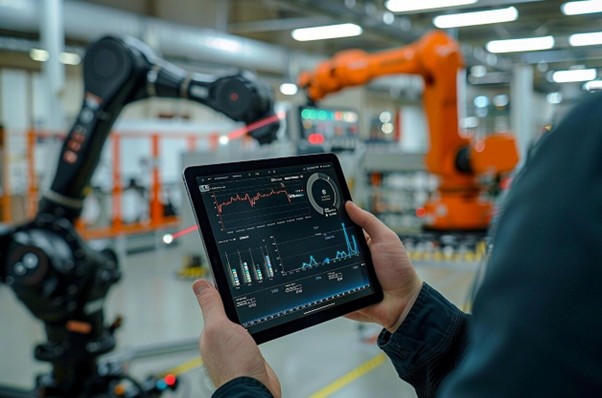
Let’s take a practical scenario.
In a manufacturing plant, machines like motors and conveyors run continuously. Traditionally, maintenance is either:
- Reactive: Fix it after failure
- Scheduled: Replace parts at fixed intervals
Both approaches are inefficient.
With IoT:
- Sensors monitor vibration, temperature, and RPM
- Edge devices preprocess this data
- Patterns are analyzed to detect anomalies
- Alerts are triggered before failure occurs
This enables predictive maintenance.
The impact is significant:
- Reduced downtime
- Lower maintenance cost
- Increased equipment lifespan
And most importantly:
Problems are solved before they become visible.
The Reality Check: Challenges on the Ground
Most IoT discussions look clean on slides. Real implementations are messy.
Common issues include:
- Devices not communicating reliably
- Protocol mismatches across systems
- Network configuration problems (DHCP, static IP conflicts)
- Noisy or inconsistent sensor data
- Scaling from pilot to production
And the biggest challenge:
Integrating hardware, networking, and cloud into one stable system
This is where real engineering happens—not in architecture diagrams, but in troubleshooting and iteration.
Where IoT Is Heading
IoT is evolving beyond connectivity into intelligent systems:
- Edge AI models running directly on devices
- Real-time anomaly detection
- Digital twins representing physical assets
- Autonomous decision-making systems
We are moving from:
“Collect and analyze later”
to:
“Understand and act instantly”
Final Thoughts
IoT is often presented as a collection of smart devices. In reality, it’s a system-level transformation.
The real winners in this space are not those who deploy the most sensors, but those who:
- Build reliable architectures
- Handle real-world constraints
- Focus on actionable outcomes
Because at its core, IoT is not about connectivity.
It’s about making systems smarter, more efficient, and more responsive to reality.
To continue reading the entire blog